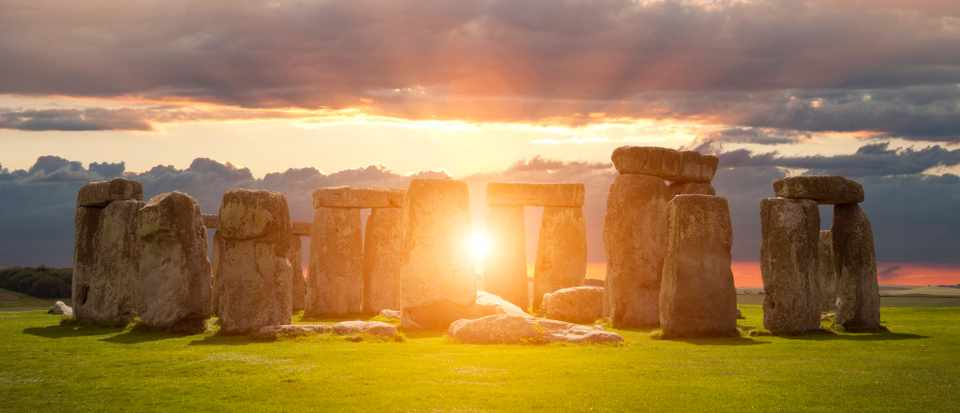
Twice a year, the solstices mark the turning points of the year: the longest day and the longest night. In Australia the summer solstice falls in December and the winter solstice in June – the reverse of the northern hemisphere.
The peak of yang and the depth of yin
In Chinese philosophy, the summer solstice is the peak of yang – light, warmth and activity – and the winter solstice is the depth of yin – darkness, rest and stillness. From each turning point the balance begins to shift back the other way.
Light and the body clock
Our bodies have a natural daily rhythm that responds to light. Longer days tend to leave us feeling more outward and energetic; long winter nights invite more rest and reflection. Noticing these changes – rather than fighting them – is a big part of living with the seasons.
Moving with the season
- Around the summer solstice – enjoy lively, expressive movement and time outdoors. Our Summer “Radiance” class gives the most time to ChiBall Dance and Yoga. View the Summer course
- Around the winter solstice – slow down, rest more and make space for stillness. Our Winter “Reflection” class is a moving meditation with extended relaxation. View the Winter course
Discover how each season fits into the ChiBall cycle in The Meaning Behind the ChiBall Colours and Aromas.
ChiBall is designed for wellbeing and enjoyment. The ideas in this article come from the traditions of Traditional Chinese Medicine and are shared for interest – they are not medical advice. If you have a health condition or injury, please check with your health professional before starting a new exercise programme.
Keep exploring